
What Causes Telogen Effluvium After Stress or Illness?
Updated: May 5
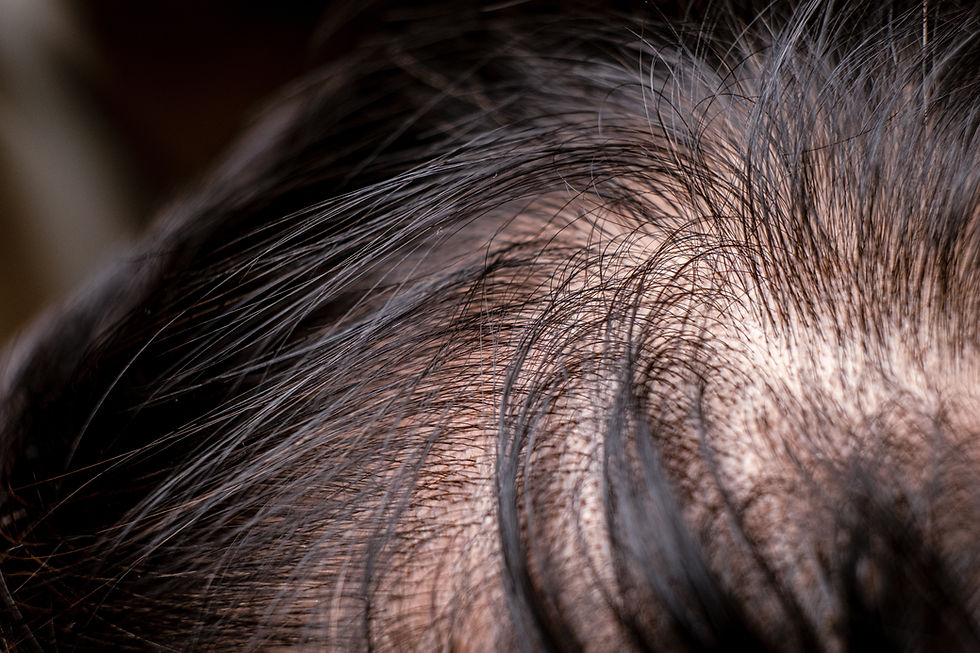
Have you been noticing more hair than usual on your pillow, in the shower, or caught in your brush?
It can feel worrying, especially when it seems to happen all at once. One day everything feels normal, and the next, you are seeing strands everywhere. It is natural to start wondering what is going on and whether it will get worse.
If this sounds familiar, you are not alone. Sudden hair shedding is a common concern, and one possible cause is a condition known as telogen effluvium.
At Medical & Surgical Dermatology Clinic, individuals come forward with concerns about hair loss and undergo assessment as part of a comprehensive dermatology evaluation. Located at Novena Medical Center, the clinic supports patients across Singapore with a wide range of scalp and hair conditions.
Understanding Your Hair Growth Cycle
To understand why this is happening, it helps to look at how your hair naturally grows. Your hair is constantly cycling through different stages, even when you do not notice it day to day.
Growth phase (anagen phase)This is when your hair is actively growing and can last for several years
Transition phaseA short period where growth slows down and the hair prepares to rest
Resting and shedding phase (telogen phase)The hair rests before eventually shedding to make way for new growth
Most of your hair is usually in the growth phase, which keeps your hair looking full and stable. In telogen effluvium, more hairs than usual shift into the resting phase at the same time, which leads to increased shedding that becomes more noticeable in your daily routine
Why Does Hair Loss Feel So Sudden?
One of the most confusing parts of telogen effluvium is how quickly it seems to happen.
You may not notice anything unusual at first. Then suddenly, it feels like your hair is shedding more than ever. Many individuals only realise something has changed when they start seeing more hair during washing or brushing.
This happens because the condition affects the timing of the hair cycle, not the health of the hair follicles. The reassuring part is that the follicles remain intact and capable of producing new hair.
How Stress Can Trigger Hair Shedding
Stress does not always show up immediately, but your body still responds to it.
During periods of emotional or physical stress, your body shifts its focus towards essential functions. Hair growth becomes less of a priority, and more hair follicles move into the resting phase earlier than usual.
What often catches people off guard is the timing. The shedding usually appears two to three months after the stressful event, not during it. This delay can make the hair loss feel sudden or unexpected.
Why Illness Can Lead to Hair Loss
Your body works hard to recover from illness, even after you start feeling better.
Conditions such as high fever, infections, surgery, or reduced nutritional intake can place stress on the body. During recovery, energy is redirected towards healing, which can temporarily affect the hair cycle.
Common triggers may include:
High fever or infections
Surgery or hospitalisation
Reduced nutritional intake
Hormonal changes during recovery
In many cases, hair shedding becomes noticeable weeks after recovery, rather than during the illness itself.
Why the Timing Feels Confusing
Many people feel puzzled because the hair loss does not seem to match what they are currently experiencing.
This delayed response is a key feature of telogen effluvium. The shedding you see now often reflects what your body went through weeks or even months earlier.
Understanding this timeline can provide reassurance and help you make sense of what is happening.
Will Your Hair Grow Back?
This is usually the biggest concern.
In most cases, telogen effluvium is temporary. Since the hair follicles are not damaged, your hair has the ability to grow back once your body stabilises.
Recovery tends to be gradual. You may notice shorter regrowing hairs or a reduction in daily shedding over time. These are often reassuring signs that your hair cycle is returning to normal.
If you are unsure whether your hair loss is temporary or linked to another condition, a professional assessment can help provide clarity.
When Should You Consider Seeing a Doctor?

While telogen effluvium often improves on its own, there are times when it is helpful to seek medical advice.
You may consider a review if
Hair shedding continues for several months
Hair loss appears to worsen over time
You notice other symptoms such as fatigue, weight changes, or menstrual irregularities
A proper dermatology assessment can help identify underlying causes and provide reassurance.
How You Can Support Your Hair Recovery
While your body works to reset, there are simple ways to support the process.
Focus on
Getting enough rest
Maintaining a balanced diet
Managing stress where possible
Practising gentle hair care
Avoid excessive heat styling and tight hairstyles, as these can place additional strain on your hair.
These small, consistent habits can support your recovery over time.
A Reassuring Perspective
Experiencing hair loss can feel overwhelming, especially when it happens unexpectedly.
However, telogen effluvium is often a temporary response to stress or illness. As your body recovers, your hair cycle can gradually return to normal.
Understanding what is happening is often the first step towards feeling more reassured and in control.
Take the Next Step
If you are experiencing ongoing or sudden hair loss in Singapore, it may be helpful to seek a professional assessment rather than continuing to monitor the condition on your own.
At Medical & Surgical Dermatology Clinic, Dr Sue-Ann Ho Ju Ee takes a personalised approach to each consultation, focusing on understanding your concerns and identifying possible triggers for your hair loss.
Located at Novena Medical Center, the clinic supports individuals across Singapore with comprehensive dermatology care for a wide range of hair and scalp conditions.
Arranging a consultation can help you gain clarity on your condition and better understand the next steps for your hair health.