Is Your Hair Shedding More Than Normal? When Should You Take It Seriously
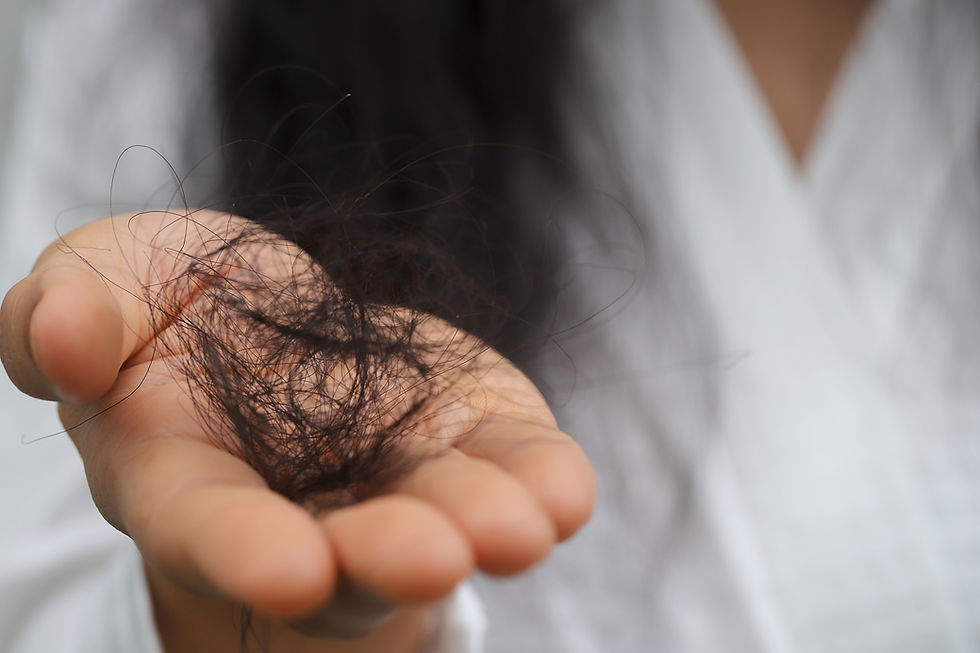
It often starts quietly. A few more hairs on your pillow than you remembered before, a slightly fuller brush, a drain that seems to collect more than it used to. At first, you tell yourself it is probably nothing everyone sheds some hair, after all.
But the concern builds slowly. You find yourself checking the brush more carefully, watching the shower drain, wondering whether your ponytail is thinner than it was a few months ago. The question that lingers is whether what you are seeing is still within the normal range or whether it is time to take it more seriously.
That uncertainty is one of the most common experiences people bring to a dermatology consultation. Hair shedding is normal to a point, but knowing when it has crossed a threshold is not always obvious from the inside.
At Medical & Surgical Dermatology Clinic, individuals come forward with concerns about hair shedding and undergo assessment as part of a comprehensive dermatology evaluation. Located at Novena Medical Center, the clinic supports patients across Singapore with a wide range of hair and scalp conditions.
What Is Considered Normal Hair Shedding?
Losing some hair every day is a completely natural part of the hair growth cycle. Most people shed somewhere between 50 and 100 hairs per day as part of the normal cycle of growth, rest, and renewal.
This number can vary depending on the thickness of your hair, your natural hair density, and even lifestyle factors such as how often you wash your hair. People who wash their hair less frequently may notice more shedding on wash days, as hairs that would have fallen over several days are released at once this alone is not a cause for concern.
The challenge is that most people do not count their shed hairs. Instead, you rely on indirect signals the appearance of your brush, the thickness of your ponytail, or the coverage of your scalp to judge whether shedding is within a normal range. These signals can be imprecise, which is why knowing what else to look for is useful.
Signs That Shedding Has Gone Beyond Normal
While occasional variation in shedding is expected, there are some signs that suggest the amount of hair you are losing has moved beyond the typical range:
Your ponytail is noticeably thinner than it was a few months ago, even when using the same hair tie
You can see more of your scalp than before, particularly along your parting or at the crown
Your brush or comb collects significantly more hair than it used to after a normal brushing session
You are finding clumps of hair in the shower or on your pillow rather than individual strands
Friends or family have noticed and commented on a change in your hair volume or thickness
It is worth noting that what feels dramatic to you may not always be clinically significant and what feels minor may sometimes warrant attention. This is where a professional perspective can be genuinely useful.
Common Reasons for Increased Shedding
There are a number of reasons why hair shedding may increase, and not all of them indicate a serious underlying problem. Some of the most commonly identified causes include:
Telogen effluvium
A temporary increase in shedding triggered by a physical or emotional stressor such as illness, surgery, significant stress, or major dietary changes. The shedding typically begins two to three months after the trigger and often resolves on its own.
Nutritional deficiencies
Low levels of iron, ferritin, zinc, or protein can affect the hair growth cycle and lead to increased shedding. This is relatively common and often identified through a blood test.
Hormonal changes
Fluctuations in hormones including those associated with postpartum recovery, thyroid conditions, or changes in contraception can disrupt the hair cycle and result in noticeable shedding.
Androgenetic alopecia
A hereditary form of hair thinning that affects both men and women. In women, it typically presents as diffuse thinning across the crown rather than a receding hairline.
Scalp conditions
Conditions such as seborrhoeic dermatitis, scalp psoriasis, or folliculitis can disrupt the follicular environment and contribute to hair shedding when left unaddressed.
Because these causes can overlap or occur simultaneously, identifying the specific reason for your shedding is an important first step before any management is considered.
When Shedding Is a Sign of an Underlying Condition
Temporary shedding such as that triggered by a period of stress or a recent illness will often resolve on its own as the body recovers. However, shedding that is persistent, progressive, or accompanied by other symptoms may indicate an underlying condition that benefits from professional attention.
Signs that your shedding may be linked to something more systemic include: fatigue, changes in weight, skin or nail changes, menstrual irregularities, or feeling colder than usual. These can point to conditions such as thyroid dysfunction, iron deficiency anaemia, or hormonal imbalances, all of which have specific management pathways.
Hair shedding that begins without a clear trigger or that continues long after an apparent trigger has resolved is also worth investigating. A dermatologist can help determine whether the shedding pattern, distribution, and any associated features point to a specific cause.
What Happens During a Hair Loss Assessment
A hair loss consultation typically begins with a detailed history. Your doctor will ask about when the shedding started, how it has changed over time, any recent illnesses or life events, your diet, medications, and your family history of hair loss.
The scalp and hair are then examined often with a dermatoscope, which provides a magnified view of the follicles and surrounding skin. This can reveal information about follicle density, miniaturisation (a sign of androgenetic alopecia), scalp inflammation, or other features that are not visible to the naked eye.
Depending on what the examination reveals, blood tests may be recommended to check for nutritional deficiencies, thyroid function, hormonal levels, or other markers that could be contributing to your hair shedding.
When You Should Seek Professional Advice
If you are uncertain about your hair shedding, it is generally better to seek clarity sooner rather than waiting to see if things improve on their own. In particular, consider arranging an assessment if:
Shedding has continued for more than two to three months without any sign of slowing
You are noticing thinning in specific areas, such as the crown, parting, or hairline
You are experiencing scalp symptoms such as itching, tenderness, or flaking alongside the shedding
You have other symptoms that suggest a systemic cause such as fatigue, weight changes, or irregular periods
The shedding is affecting your confidence or quality of life and you would like professional guidance
There is no need to wait until the hair loss reaches a stage that feels more severe. Early assessment can identify contributing factors and provide a clearer picture of what is happening, which makes it easier to take steps in the right direction.
A Reassuring Perspective
Noticing changes in your hair can feel unsettling, particularly when those changes build gradually and you are not sure where the line is between normal variation and something worth addressing. That uncertainty is valid, and you are not overreacting by taking it seriously.
Many of the most common causes of increased hair shedding are well understood, and a clinical assessment can help identify what may be driving the change. A proper assessment removes much of the guesswork and gives you something concrete to work with.
You do not have to wait until the shedding feels out of control before seeking answers. Acting on a concern, even a mild one is a reasonable and sensible thing to do.
Take the Next Step
If you are experiencing hair shedding in Singapore, it may be helpful to seek a professional assessment rather than continuing to monitor the condition on your own.
At Medical & Surgical Dermatology Clinic, Dr Sue-Ann Ho Ju Ee takes a personalised approach to each consultation, focusing on understanding your concerns and identifying possible triggers for your hair shedding.
Located at Novena Medical Center, the clinic supports individuals across Singapore with comprehensive dermatology care for a wide range of hair and scalp conditions.
Arranging a consultation can help you gain clarity on your condition and better understand the next steps for your hair health.
This article is for general informational purposes only. It does not constitute medical advice and is not a substitute for professional consultation with a qualified healthcare provider.