
Why Your Skin Reacts Even to Products Meant for Sensitive Skin
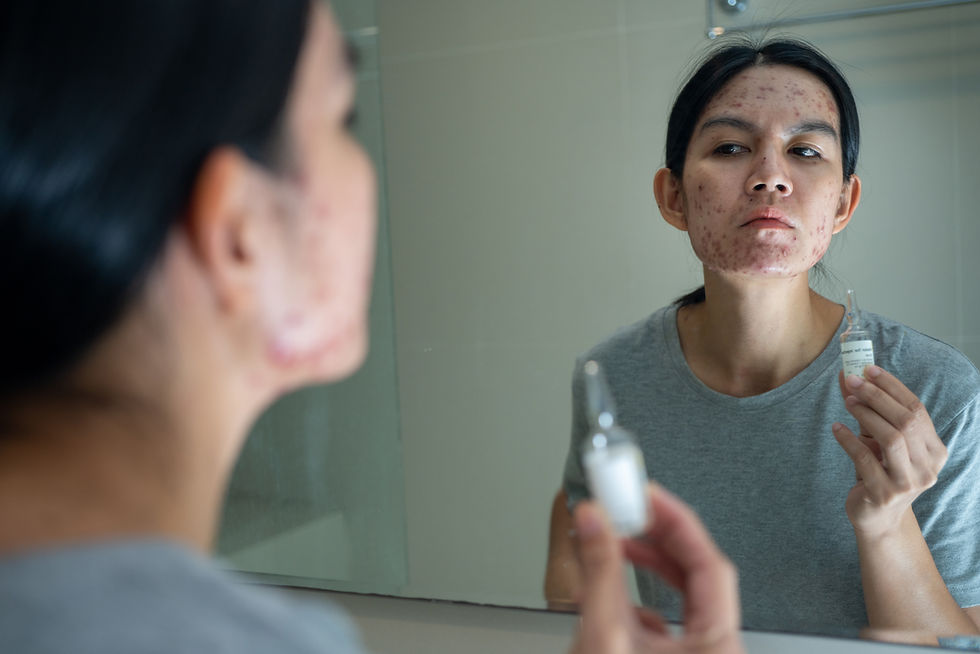
You have tried it all. The fragrance-free moisturiser. The hypoallergenic cleanser. The gentle toner that promises to calm even the most reactive complexions. And yet, every time you introduce something new, your skin flares up anyway. Redness, stinging, itching, or a rash that arrives without warning and takes days to settle.
It is exhausting. And it can feel deeply discouraging when the products specifically designed for people like you still seem to be making things worse.
You are not imagining it, and you are not alone. Many people with reactive skin find that "sensitive skin" labels offer little guarantee of a reaction-free experience. The gap between marketing language and what actually happens on your skin is wider than most people realise.
At Medical & Surgical Dermatology Clinic, individuals come forward with concerns about reactive skin and undergo assessment as part of a comprehensive dermatology evaluation. Located at Novena Medical Center, the clinic supports patients across Singapore with a wide range of skin sensitivity and contact reactions.
What Does It Mean to Have Reactive Skin?
Reactive skin is skin that responds to stimuli that most people tolerate without issue. This might be a change in temperature, a particular ingredient, stress, or even water quality. The response is usually visible and uncomfortable, but it does not necessarily mean you have an allergy.
This is an important distinction. Reactive skin is not the same as allergic skin. Allergic reactions involve your immune system identifying a specific substance as a threat and triggering a response. Reactive skin, on the other hand, tends to have a lower threshold for irritation across a broader range of triggers. It is more about how easily your skin is provoked, rather than one specific cause.
Why "Sensitive Skin" Labels Are Not Always Enough
The phrase "sensitive skin" on a product label is not regulated in Singapore, or in most parts of the world. Any brand can use it without meeting a defined standard or submitting evidence that the formula is genuinely less likely to cause a reaction.
"Fragrance-free" is a commonly misunderstood claim. It typically means that no added fragrance has been included, but it does not mean the product contains no fragrance-derived compounds. Some ingredients, such as certain plant extracts or essential oils, have fragrant components but are not classified as fragrances. A reaction to one of these would not make the product's claim inaccurate.
Preservatives also remain present in most products labelled for sensitive skin, since they are necessary to prevent bacterial growth and extend shelf life. For people whose skin is reactive to certain preservatives, this matters.
Common Ingredients That Trigger Reactive Skin
While any ingredient can theoretically cause a reaction, some are more commonly associated with sensitivity. Being aware of these can help when reading product labels:
Fragrance: One of the most frequent triggers, even in trace amounts. Listed under many names, including parfum, aroma, or linalool.
Preservatives such as methylisothiazolinone (MI) and methylchloroisothiazolinone (MCI): Widely used but known to cause contact dermatitis in sensitised individuals.
Alcohol: Found in many toners and lightweight formulas, alcohol can disrupt the skin barrier and cause stinging in reactive skin.
Essential oils: Lavender, tea tree, eucalyptus, and peppermint are popular but can be highly reactive for some individuals.
Certain sunscreen filters: Chemical UV filters such as oxybenzone and octinoxate are occasionally associated with contact reactions, particularly in those with sensitive or reactive skin.
The Difference Between Reactive, Sensitive, and Allergic Skin
These terms are often used interchangeably, but they describe different things. Understanding the distinction can help you have a more productive conversation with a dermatologist.
Sensitive skin generally refers to skin that feels easily irritated and may appear red, dry, or prone to tightness. It is a description of how the skin feels and behaves rather than a clinical diagnosis.
Reactive skin is similar, but the term tends to suggest a broader pattern of responses. It is skin that reacts noticeably and often to a range of triggers without necessarily having one identifiable cause.
Allergic skin involves an immune-mediated response. This means that upon contact with a specific substance, the immune system mounts a defence, causing a reaction. This type of reaction can worsen over time with repeated exposure, and even very small amounts of the trigger can provoke symptoms.
The clinical distinction matters because the approach to management differs significantly. Identifying whether you are dealing with irritant reactions, immune-mediated allergy, or an underlying condition is a key part of any dermatological assessment.
How Reactive Skin Is Generally Assessed
When someone presents with reactive skin, a dermatologist will typically begin with a thorough history. This includes which products you have tried, when reactions occur, what they look and feel like, and whether there are patterns linked to specific environments or activities.
Depending on the picture, the following approaches may be considered:
Patch testing: A method for identifying contact allergies. Small amounts of potential allergens are applied to the back and assessed over a period of days.
Ingredient review: Going through your current products systematically to identify potentially problematic components.
Skin barrier assessment: Evaluating whether the outer layer of the skin has been compromised, which can make the skin more susceptible to reaction.
Not every case of reactive skin requires patch testing. The dermatologist will advise on what is most appropriate given your presentation.
When to Seek Professional Help
If you have been managing recurring skin reactions on your own and not making progress, it may be time to consult a dermatologist. Some specific situations worth seeking professional input for include:
Reactions that persist despite eliminating products or simplifying your routine
Rashes that are spreading or changing in character
Symptoms such as swelling, blistering, or intense itching
Uncertainty about whether a reaction is irritant or allergic in nature
Difficulty identifying the trigger despite your best efforts
Continuing to trial products without understanding the cause can sometimes prolong the issue. A structured assessment gives you a clearer picture of what is happening and a more directed path forward.
A Reassuring Perspective
Having reactive skin does not mean a permanent state of reactivity. Identifying specific triggers is a key step in making more informed decisions about skincare.
Understanding what is actually happening with your skin, rather than relying on general advice or product marketing, is where a clinical assessment can provide clarity.
It is worth remembering that reactive skin is a recognised and well-understood condition. You do not have to keep guessing. A clinical assessment can help provide a clearer picture of what is driving the reaction.
Take the Next Step
If you are experiencing reactive skin in Singapore, it may be helpful to seek a professional assessment rather than continuing to monitor the condition on your own.
At Medical & Surgical Dermatology Clinic, Dr Sue-Ann Ho Ju Ee takes a personalised approach to each consultation, focusing on understanding your concerns and identifying possible triggers for your reactive skin.
Located at Novena Medical Center, the clinic supports individuals across Singapore with comprehensive dermatology care for a wide range of skin sensitivity and contact conditions.
Arranging a consultation can help you gain clarity on your condition and better understand the next steps for your skin health.
This article is for general informational purposes only. It does not constitute medical advice and is not a substitute for professional consultation with a qualified healthcare provider.


