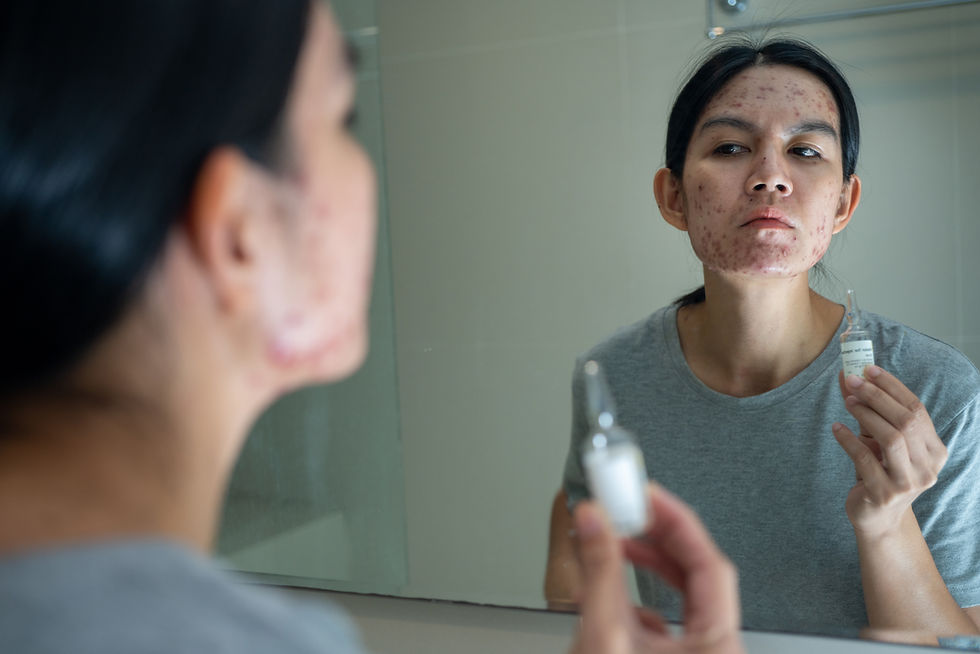
Why Does Sensitive Skin Suddenly Develop Without an Obvious Reason?

For years, your skin may have felt fairly cooperative. You used the same cleanser, the same sunscreen, and the same products you had relied on for as long as you could remember. Then something shifted. Suddenly, your skin started reacting to things it never reacted to before. Products that once felt comfortable now cause stinging. Environments that never bothered you now leave your face red, itchy, tight, or irritated.
This sudden change can feel unsettling, especially when you cannot point to a clear cause. You may not have changed your routine, moved to a new environment, or introduced anything obviously different. Yet your skin behaves as though it has become more reactive almost overnight.
Sensitive skin can develop at any age. It is not always something you are born with, and it is not always linked to one obvious trigger. For some people, sensitive skin develops gradually as the skin barrier becomes more fragile. For others, sensitive skin may appear suddenly after internal changes, environmental exposure, product use, stress, or repeated irritation.
At Medical & Surgical Dermatology Clinic, individuals with concerns about sensitive skin can undergo assessment as part of a comprehensive dermatology evaluation. Located at Novena Medical Centre, the clinic supports patients across Singapore with a wide range of skin sensitivity, skin barrier concerns, and inflammatory skin conditions.
How Sensitive Skin Can Develop at Any Age
Many people assume that sensitive skin is a fixed skin type. In reality, sensitive skin can develop at almost any point in life, even after years of having relatively calm and tolerant skin.
The skin is a dynamic organ. It responds to your internal health, hormones, stress levels, environment, skincare routine, and daily habits. When one or more of these factors changes, your skin may become more reactive than before.
Someone who had resilient skin in their twenties may develop sensitive skin in their thirties, forties, or later. This does not necessarily mean the skin has permanently changed. It may mean that the skin barrier is under strain or that the skin is responding to new internal or external triggers.
When sensitive skin develops suddenly, the key question is not only “What skin type do I have?” but also “What may have changed around my skin or within my body?”
Internal Factors That Can Trigger Sensitive Skin
Changes happening inside the body are often overlooked when sensitive skin appears suddenly. Even if your skincare routine has stayed the same, internal changes may affect hydration, inflammation, oil production, and skin barrier function.
Possible internal factors include:
• Hormonal changes
Hormonal fluctuations linked to menstrual cycles, pregnancy, perimenopause, menopause, or thyroid conditions may affect the skin’s oil balance, hydration, and barrier strength. This may make sensitive skin more likely to react to products or environments that previously felt fine.
• Stress
Chronic stress can influence immune function and inflammatory pathways. For some people, stress may lower the threshold for irritation, making sensitive skin feel more reactive, itchy, flushed, or uncomfortable.
• Medication effects
Certain medications may have skin-related side effects. These can include dryness, increased sun sensitivity, irritation, or changes in how the skin responds to products. If sensitive skin begins after starting a new medication, it may be worth discussing this during a medical review.
• Nutritional changes
Changes in nutrition or deficiencies in nutrients such as essential fatty acids, zinc, vitamin D, or B vitamins may affect skin barrier health in some individuals. A weaker barrier may make sensitive skin more vulnerable to irritation.
• Underlying skin conditions
Sometimes, what feels like sudden sensitive skin may be linked to an underlying condition such as eczema, rosacea, contact dermatitis, seborrhoeic dermatitis, or another inflammatory skin concern. A dermatology assessment can help distinguish between general skin sensitivity and a specific skin condition.
External Factors That Can Damage the Skin Barrier
The skin’s outer layer acts as a protective shield. When this barrier is healthy, it helps keep moisture in and irritants out. When it becomes weakened, sensitive skin may develop or worsen.
Common external factors that may affect the skin barrier include:
• Over-cleansing
Washing too frequently or using cleansers that are too harsh may strip the skin of natural oils. This can leave sensitive skin feeling tight, dry, stinging, or easily irritated.
• Frequent use of strong active ingredients
Exfoliating acids, retinoids, acne treatments, brightening products, and other active ingredients may be useful for some concerns, but overuse can irritate sensitive skin. Layering multiple active products may also make reactions more likely.
• Heat and humidity in Singapore
Singapore’s climate can be challenging for sensitive skin. Heat and humidity may increase sweating, which can irritate reactive skin. At the same time, frequent movement between outdoor heat and cold air-conditioned spaces may contribute to dryness and barrier stress.
• Air conditioning
Air-conditioned environments can reduce moisture in the air. For sensitive skin, prolonged exposure may increase dryness, tightness, and discomfort, especially when the skin barrier is already compromised.
• Sun exposure
Unprotected sun exposure may worsen irritation and weaken the skin barrier over time. In tropical climates, sensitive skin may become more reactive when sun exposure is combined with heat, sweat, and pollution.
• Pollution
Fine particles and chemical compounds in urban air may settle on the skin. For sensitive skin, this daily exposure may contribute to inflammation, irritation, and barrier disruption.
The Role of the Skin Barrier in Sudden Sensitive Skin
The skin barrier is central to many sensitive skin concerns. When it is intact and functioning well, the skin is usually more resilient. When the barrier is weakened, almost everything can feel more irritating, including water, skincare products, temperature changes, sweat, friction, and fabrics.
A compromised barrier allows irritants to enter more easily while allowing moisture to escape. This can create a cycle where sensitive skin becomes drier, more inflamed, and more reactive.
For some people, the barrier may have been weakening gradually over time. The change may feel sudden because the skin crosses a threshold, but the underlying process may have been building quietly for weeks or months.
Signs that your skin barrier may be affected include:
• Stinging or burning when applying products
• Redness after cleansing or moisturising
• Tightness even after using skincare
• Flaking, dryness, or rough texture
• Increased sensitivity to heat, sweat, or air conditioning
• Skin that reacts to products you previously tolerated
These signs do not confirm one specific diagnosis, but they suggest that sensitive skin and barrier disruption may need closer attention.
What a Sensitive Skin Assessment Can Reveal
A clinical assessment can help move the process beyond guesswork. This is especially helpful when sensitive skin keeps recurring, worsens over time, or affects comfort and daily life.
A sensitive skin assessment may include:
• A detailed history
Your dermatologist may ask when the sensitivity started, where it appears, what products you use, what symptoms you experience, and whether there are possible triggers such as stress, heat, sweat, medication, or occupational exposure.
• A skin examination
The skin may be examined for redness, dryness, scaling, inflammation, rash patterns, barrier damage, or signs of conditions such as eczema, rosacea, or contact dermatitis.
• Review of skincare and product use
Your dermatologist may review your cleanser, moisturiser, sunscreen, active ingredients, makeup, hair products, and body products to identify possible irritants or allergens.
• Consideration of patch testing
Patch testing may be considered where contact allergy is suspected. Small amounts of standardised substances are applied to the skin over several days to assess whether specific contact allergens may be contributing to sensitive skin reactions.
• Discussion of skin barrier support
If barrier disruption is suspected, your dermatologist may discuss skincare habits and ingredients that may be more suitable for sensitive skin, based on your individual presentation.
Together, these steps may provide clearer information than trial and error alone.
When a Formal Assessment May Be Helpful
Some sensitive skin reactions settle when obvious triggers are removed and the skin barrier is supported. However, a formal assessment may be more helpful when symptoms are recurring, unclear, or affecting quality of life.
You may wish to consider a dermatology review if you notice:
• Sensitive skin that appears suddenly and does not settle
• Stinging, burning, itching, or redness with multiple products
• Skin reactions that keep returning without an obvious pattern
• Irritation that affects sleep, comfort, work, or confidence
• Persistent dryness, scaling, swelling, or rash
• Reactions around the eyes, lips, face, hands, or neck
• Skin that worsens despite simplifying your skincare routine
• Possible contact allergy to skincare, cosmetics, jewellery, gloves, or occupational products
• Uncertainty about whether you have sensitive skin, eczema, rosacea, contact dermatitis, or another skin condition
A professional assessment may help review possible contributing factors and guide suitable next steps based on your skin findings.
A Reassuring Perspective
Developing sensitive skin can feel frustrating and disorienting, especially when it seems to happen without explanation. However, sensitive skin rarely develops in a vacuum. There are often internal or external factors that may be contributing, even if they are not immediately obvious.
Sensitive skin is not always permanent. For some people, identifying triggers and supporting the skin barrier may help reduce reactivity. For others, sensitive skin may be linked to an underlying skin condition that benefits from medical assessment and appropriate care.
Understanding what has changed and why your skin is reacting is an important step. With clearer information, it becomes easier to make informed decisions about skincare, lifestyle habits, trigger avoidance, and when to seek further support.
Take the Next Step
If you are experiencing recurring sensitive skin, persistent irritation, or uncertainty about possible triggers, a professional assessment may help review contributing factors.
At Medical & Surgical Dermatology Clinic, Dr Sue-Ann Ho Ju Ee takes a personalised approach to each consultation, focusing on understanding your concerns and identifying possible triggers for your sensitive skin.
Located at Novena Medical Centre, the clinic supports individuals across Singapore with comprehensive dermatology care for a wide range of skin sensitivity, skin barrier concerns, and inflammatory skin conditions.
Arranging a consultation may help you discuss your symptoms, possible triggers, and suitable skin health considerations based on individual assessment.
This article is for general informational purposes only. It does not constitute medical advice and is not a substitute for professional consultation with a qualified healthcare provider.